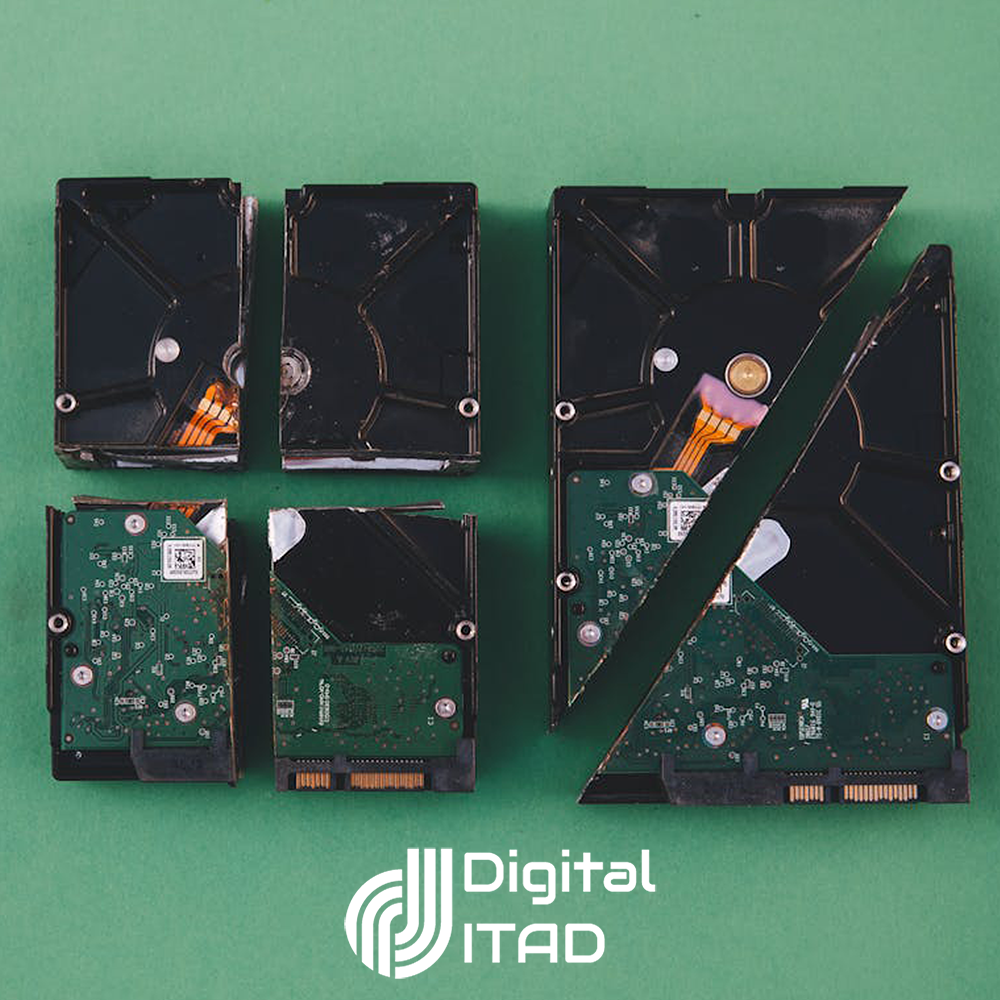
Insurance Data Destruction exists to close exposure that does not end when a claim is paid or a policy lapses. Insurance companies retain claims files, underwriting records, loss histories, correspondence, medical documentation, and policyholder data that may be revisited years later. When devices leave custody without verified outcomes, insurers retain long-tail risk that can surface during audits, litigation, or reopened claims.
Effective Insurance Data Destruction focuses on eliminating that long-tail exposure with verification, traceability, and defensible reporting. Insurance Company Data Destruction is executed through controlled processes where proof, not assumption, determines the outcome. If Policyholder Data Destruction cannot be verified, the device is scrap and the only acceptable result is certified physical destruction.
This standard applies consistently across Laptop Data Destruction, Hard Drive Destruction, and all other data-bearing devices used throughout claims, underwriting, and actuarial functions.
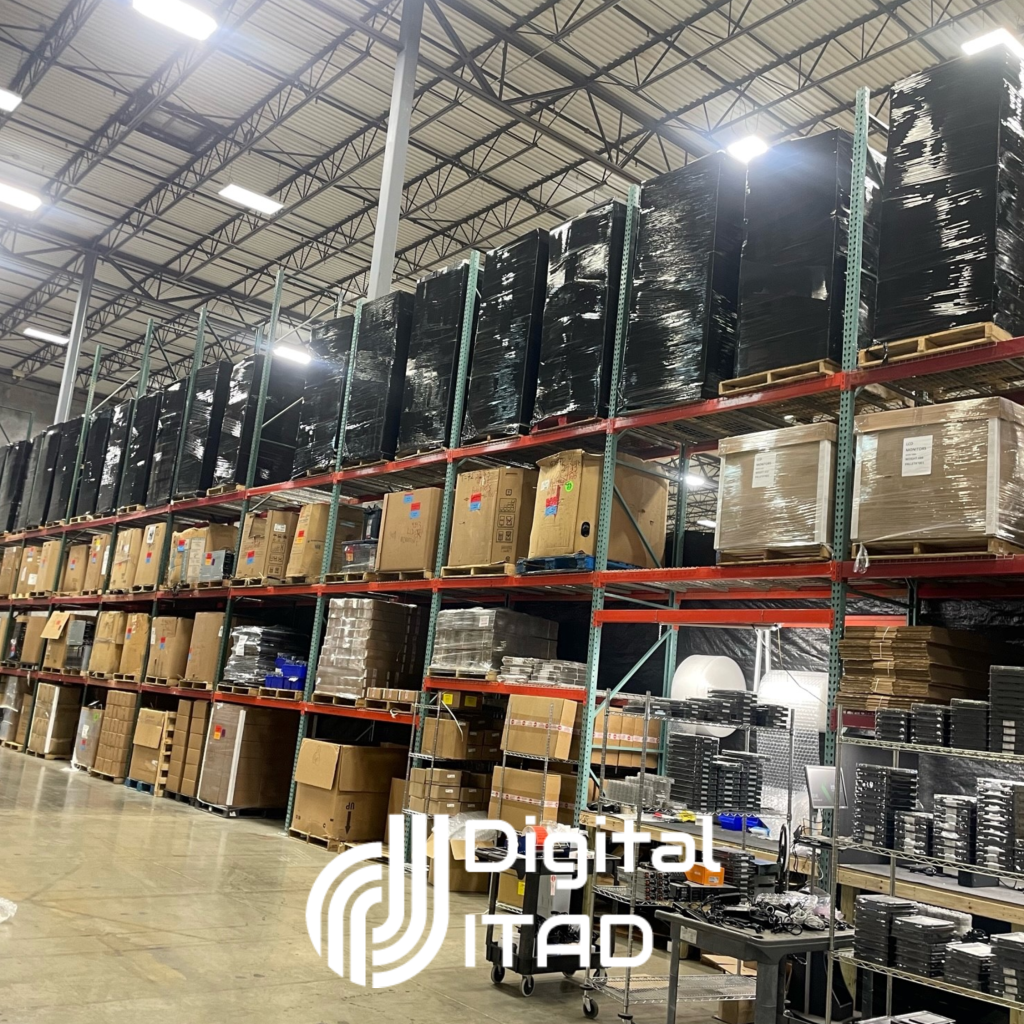
Any outcome outside this framework leaves unresolved exposure.
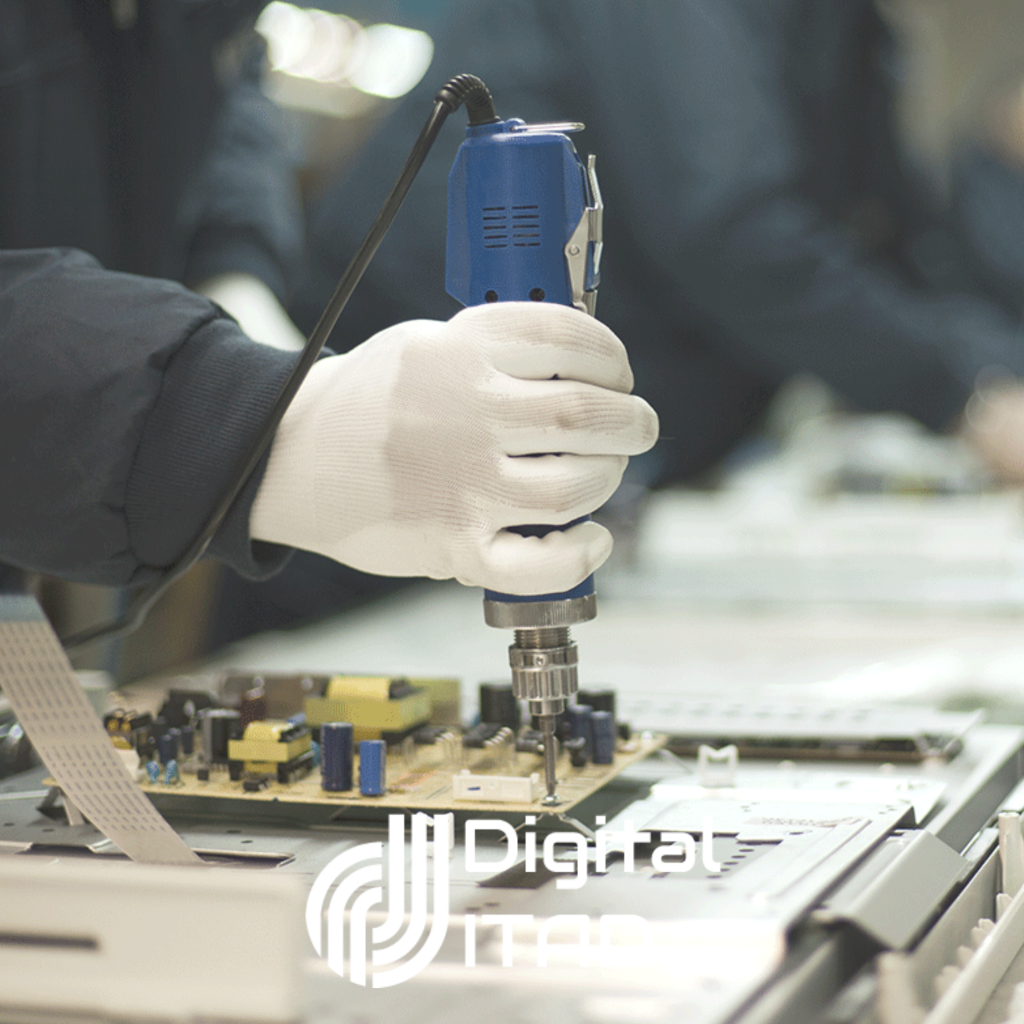
Claims and underwriting data do not expire on a schedule. Insurance Data Destruction must assume records may be revisited long after a device is retired. Lock status, encryption claims, and resale intent do not satisfy that reality.
Failures in Insurance Company Data Destruction expose insurers to delayed claims disputes, regulatory action, and litigation discovery.
Across claims processing, underwriting review, actuarial analysis, fraud investigation, and policy administration, Policyholder Data Destruction requires certainty. Claims data and customer records cannot be treated as ordinary business information. If insurance data is later exposed, responsibility remains with the insurer regardless of who handled the device.
Verification governs every decision. Insurance Company Data Destruction is never accepted based on trust, configuration, or intent. Proof is mandatory for Insurance Data Destruction.
Policyholder Data Destruction carries elevated risk because claims records, loss histories, and supporting documentation may be subject to inquiry long after a policy closes. Insurers must be able to demonstrate how those records were handled and how access was eliminated.
When Policyholder Data Destruction cannot be proven through wiping, certified physical destruction is required. No alternative outcome resolves claims or litigation exposure.
Hard Drive Destruction is often the required outcome for Insurance Data Destruction and Policyholder Data Destruction. Storage media concentrates risk, and wiping cannot always be proven sufficient for claims or litigation exposure.
Unit-level tracking and documented proof govern Hard Drive Destruction. Whenever wiping cannot be verified or absolute certainty is required, destruction is mandatory.