
Secure data destruction is a risk-management function, not a recycling activity. Digital ITAD operates secure data destruction under R2v3-aligned practices with a focus on verification, traceability, and defensible reporting. The objective is not resale, reuse assumptions, or implied safeguards. The objective is to eliminate data exposure and prove that outcome clearly.
Data-bearing devices do not exit the process based on trust, promises, or lock status. Every device is received, verified, processed, and reported at the unit level. The final record shows exactly what was received, what action was taken, and how that action was verified.
Anything else introduces data risk.
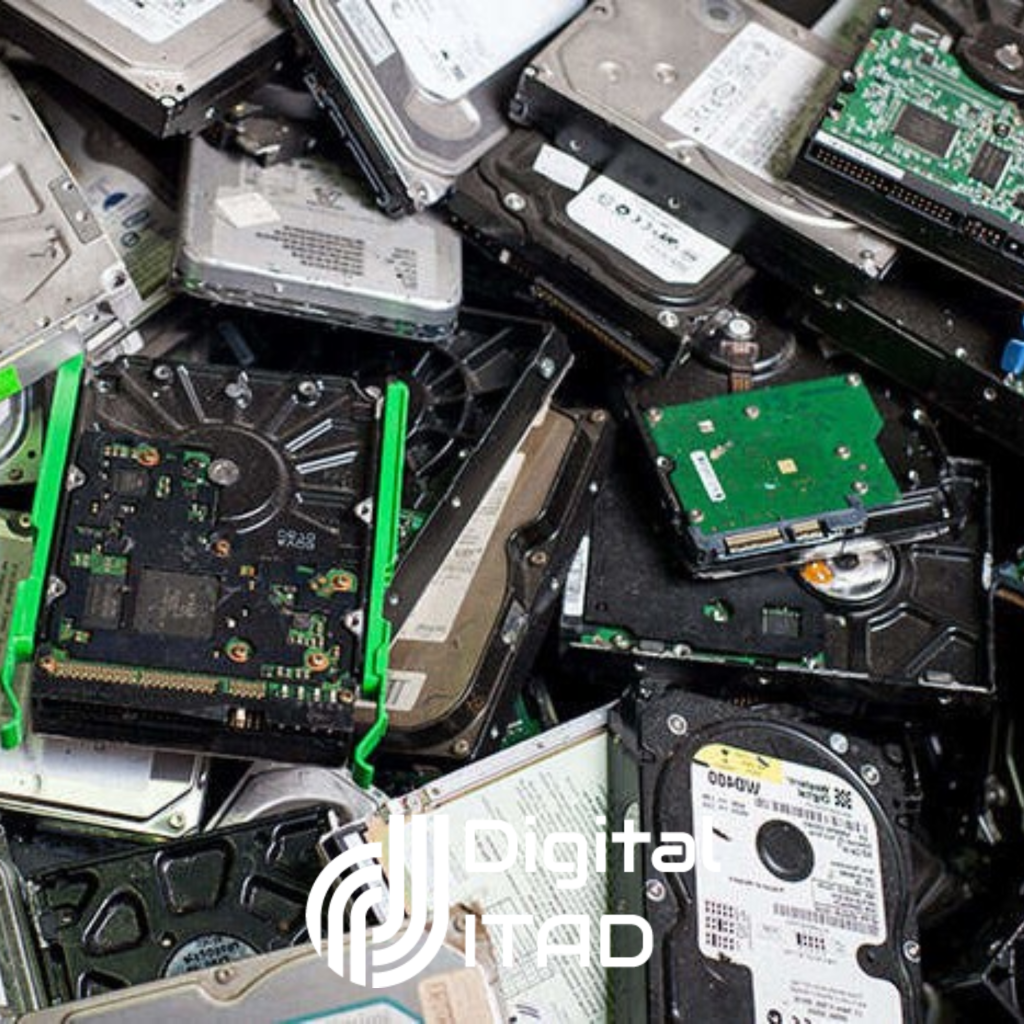
Digital ITAD applies the same governing framework to all data-bearing devices, including laptops, Chromebooks, and hard drives. Each device type presents different technical and administrative considerations, but the standard does not change.
If data cannot be verified as destroyed, the device is scrap.
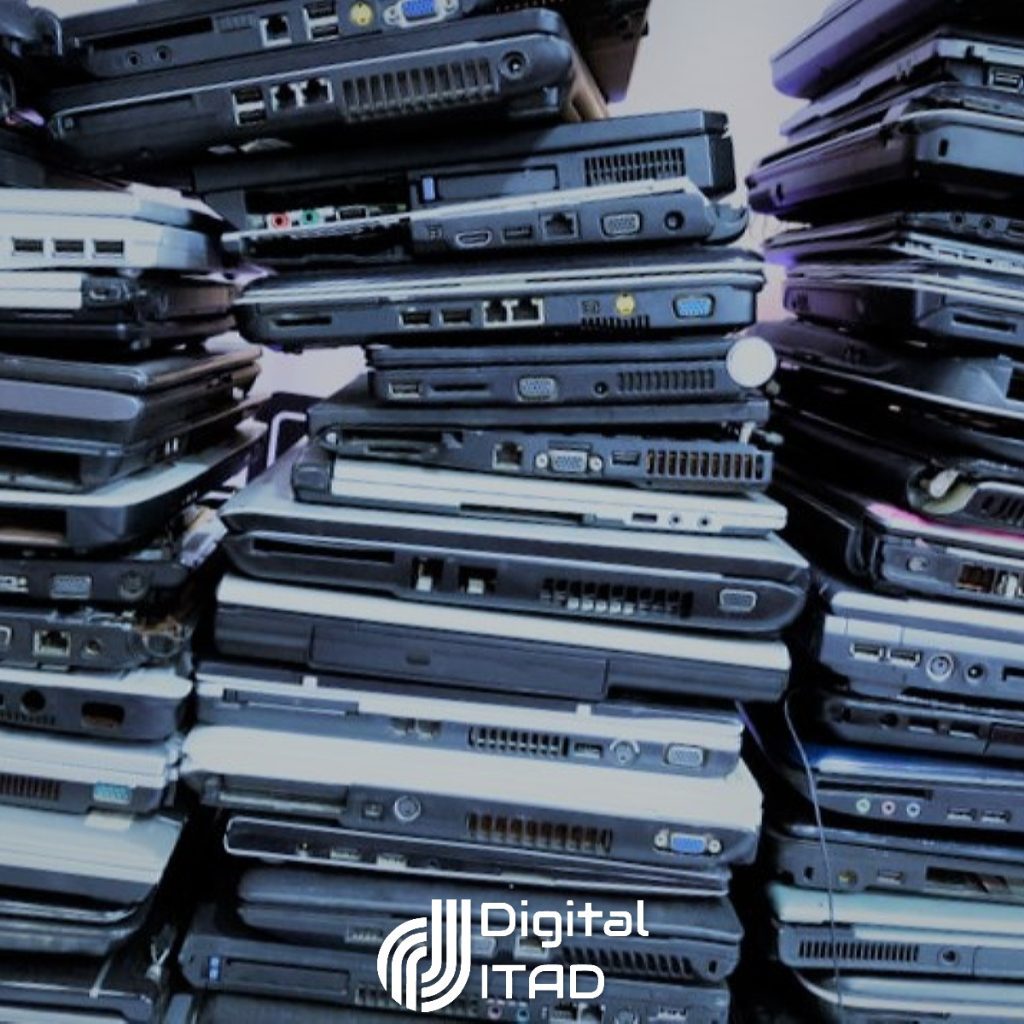
A locked device is not a secure device.
Locked laptops and Chromebooks can often be unlocked or accessed outside the United States using methods, tools, or jurisdictions that differ from domestic controls. Sending locked devices to uncertified recyclers, brokers, or offshore processors creates real data risk with no verifiable safeguard.
Digital ITAD does not treat lock status as a security control. Lock status is a condition that must be evaluated.
This policy removes subjective judgment and prevents data exposure from being deferred or transferred.
Every data-bearing device enters the process through controlled receiving and verification. Devices are logged at the unit level before any processing occurs. Identifiers are captured and tracked so each device remains visible from receipt through final disposition.
Verification occurs at intake and continues through each subsequent step. Devices do not move forward in the workflow without being accounted for, and they do not exit the system without a documented outcome. This structure supports accurate reporting and prevents gaps that create audit, compliance, and reputational risk.
When devices meet criteria for wiping, Digital ITAD performs data sanitization using approved methods aligned with R2v3 requirements. Wiping is treated as a verified outcome, not a procedural assumption.
Each wiped device is recorded with:
If any element of the wiping process cannot be verified, the device does not qualify as wiped and is redirected to destruction.
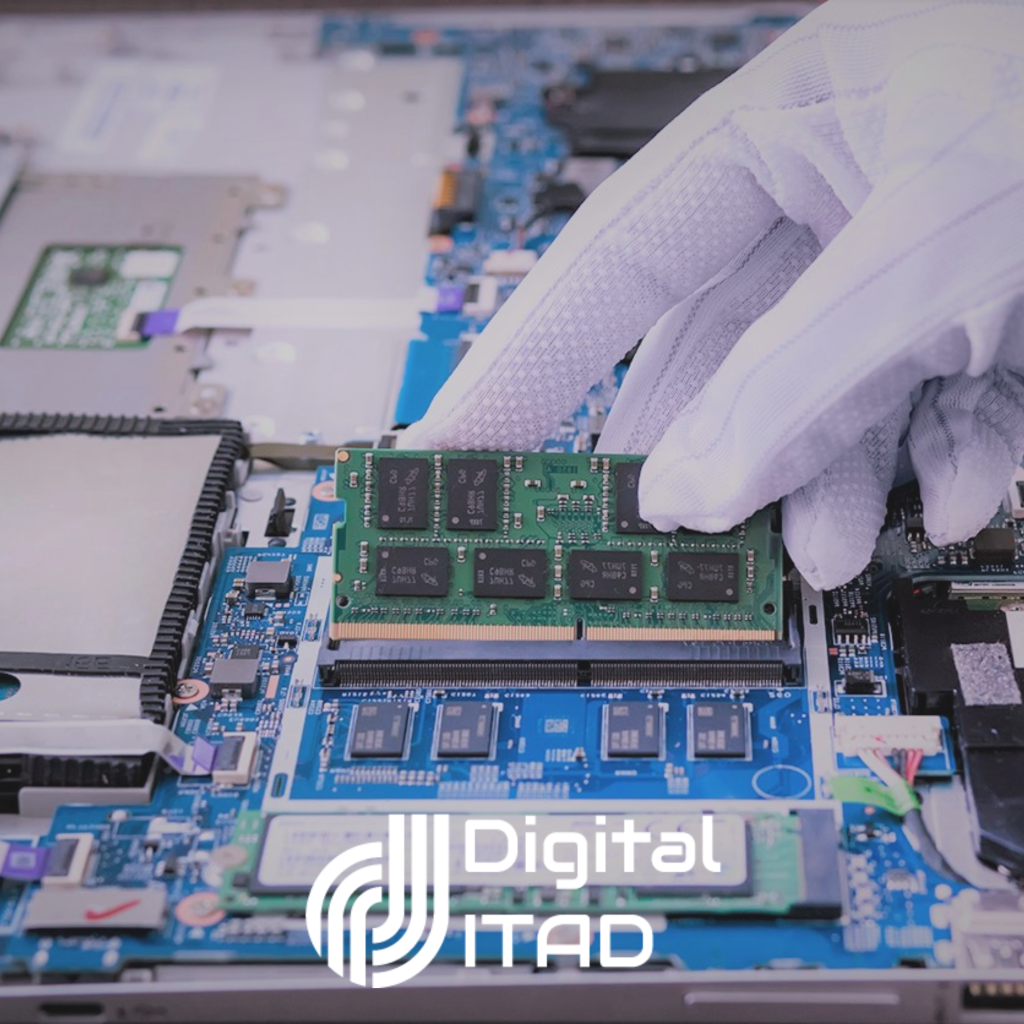
When wiping is not possible, not permitted, or not verifiable, physical destruction is required. Destruction is not a fallback option or an exception. It is the required outcome whenever data cannot be proven destroyed through wiping.
Digital ITAD performs destruction under controlled conditions and records that outcome at the unit level. The final record confirms that the device or storage media no longer exists in a usable form.
There is no acceptable alternative to destruction when wiping cannot be verified.
Secure data destruction applies consistently across all supported data-bearing device categories.
Each category follows the same governing rule: verified wiping when possible, certified destruction when not.
Secure data destruction is only complete when the outcome can be proven. Digital ITAD provides reporting that documents:
Reports are structured to support internal audits, compliance reviews, and external scrutiny. The reporting trail links each device to its verified outcome without gaps.