
Laptops represent one of the highest data-risk device categories handled through IT asset disposition. Local storage, cached credentials, encryption states, and user-level access controls create exposure that cannot be mitigated through assumption or cosmetic inspection. Digital ITAD treats laptop data destruction as a controlled, verifiable process designed to eliminate data risk and document the outcome clearly.
Laptop handling follows a single governing rule: if data cannot be verified as destroyed, the laptop is scrap. Lock status, resale value, or downstream assurances do not change that requirement. Every laptop is processed to a verified end state and recorded at the unit level.
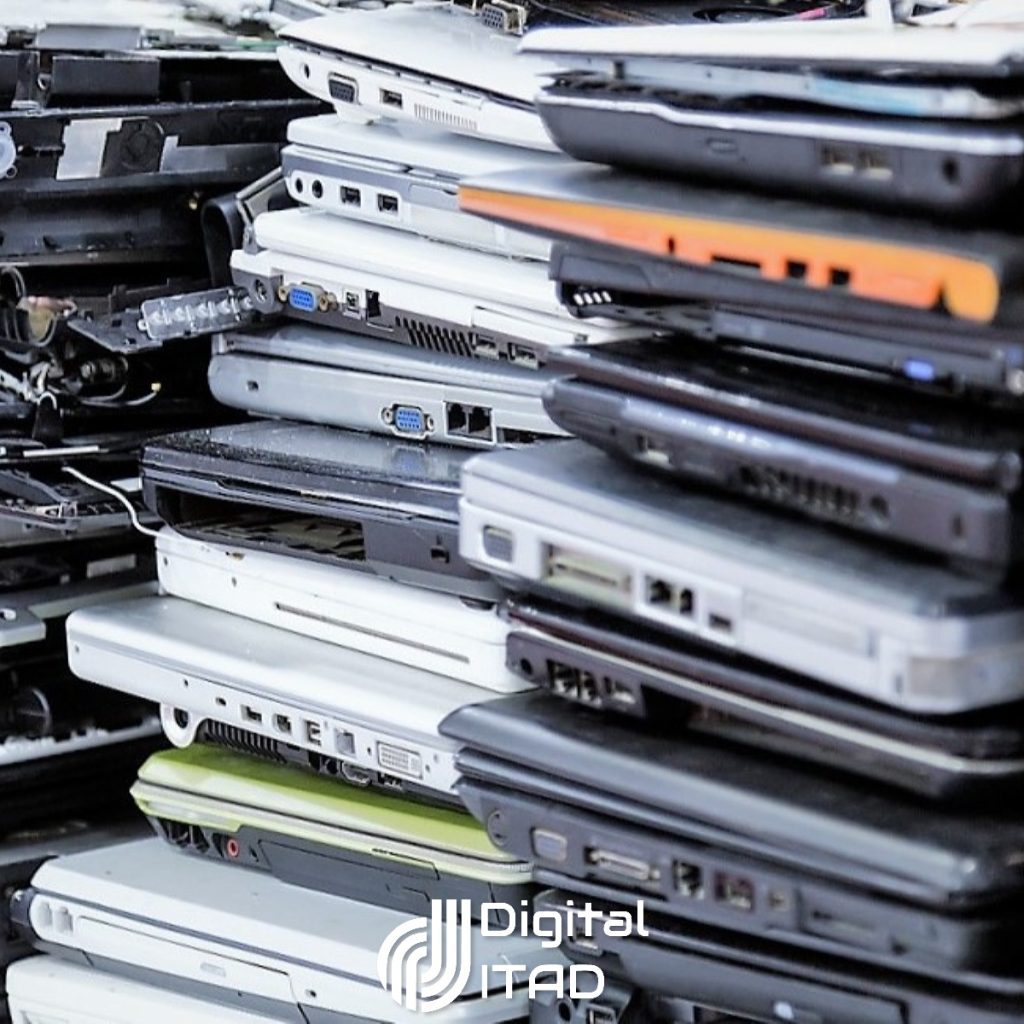
Every laptop enters the process through controlled receiving and unit-level verification. Devices are logged individually before any processing begins, establishing traceability from receipt through final disposition. No laptop moves forward in the workflow without being accounted for.
Verification determines what is permitted for that specific device. Evaluation considers condition, lock status, and wipe eligibility. Devices do not proceed based on assumptions tied to model, age, or appearance.
Anything outside these outcomes leaves data risk unresolved.
A locked laptop is not a secure laptop.
Lock status does not prevent data access, particularly once devices leave domestic control. Laptops can often be unlocked or accessed outside the United States using tools, techniques, or jurisdictions that differ from domestic standards. Treating a locked laptop as secure creates a false sense of protection.
Digital ITAD evaluates lock status as a condition, not a conclusion.
This approach removes ambiguity and eliminates reliance on assumption.
Certified Wiping as a Verified Outcome
When a laptop meets criteria for wiping, Digital ITAD performs data sanitization aligned with R2v3 requirements. Wiping is treated as a verified outcome, not a procedural step.
Each wiped laptop is recorded with:
If any element of the wiping process cannot be verified, the laptop does not qualify as wiped and is redirected to destruction.
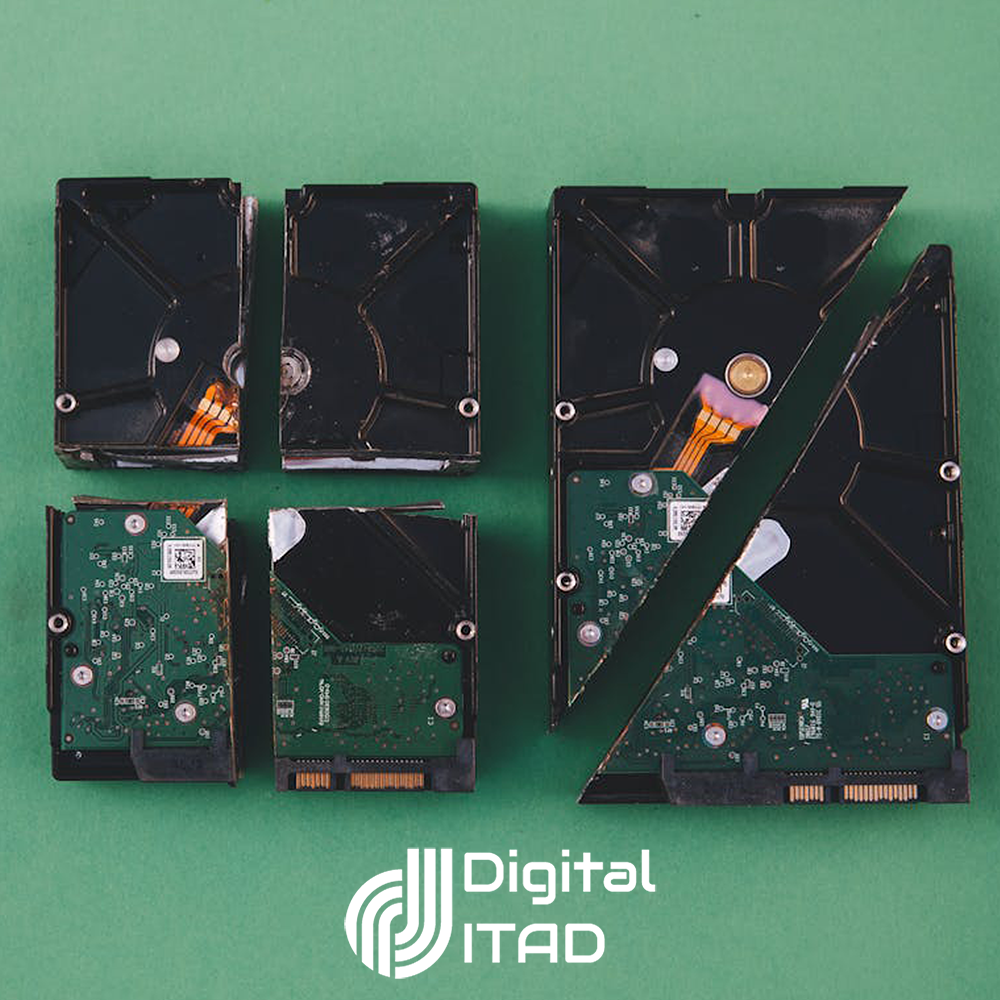
When wiping is not possible, not permitted, or not verifiable, physical destruction is required. Destruction is not an exception or fallback; it is the required outcome whenever data cannot be proven destroyed through wiping.
Digital ITAD performs laptop destruction under controlled conditions and records that outcome at the unit level. The final record confirms that the laptop no longer exists in a usable form.
There is no acceptable alternative to destruction when wiping cannot be verified.
Laptop data destruction decisions are not influenced by cosmetic condition, resale value, or market demand. A visually intact laptop with unresolved data exposure remains a liability.
Digital ITAD does not allow reuse potential to override data-security requirements. If a laptop cannot be unlocked and wiped with verification, it is destroyed regardless of appearance.
Laptop processing occurs within a controlled environment designed to maintain chain of custody from receipt through final disposition. Each step reinforces accountability:
Devices do not move forward without verification and do not exit the system without documentation.
Laptop data destruction depends on coordinated execution across receiving, processing, and movement. The Digital ITAD logistics function aligns transportation with processing capacity and security requirements.
Devices are not staged indefinitely, transferred loosely, or handed off without accountability. Movement supports control rather than undermining it.
Laptop data destruction is only complete when the outcome can be proven. Digital ITAD provides reporting that documents:
Reports support internal audits, compliance reviews, customer validation, and external scrutiny. Each laptop record closes with a clear, defensible outcome tied to its identifier.
Laptop data destruction operates within the same governing framework applied to Chromebooks and hard drives. Device-specific considerations differ, but the standard does not.
This consistency prevents gaps across mixed device streams.
Laptop data destruction at Digital ITAD follows an enforceable rule set:
Anything else relies on trust rather than verification.